Acne 101

ACNE
Acne, a common yet complex skin condition, can be a source of significant stress and confusion. If you're grappling with acne, it's essential to know that your experience is shared by many.
What is Acne?
Acne is not just about occasional spots; it's a condition involving the oil-producing glands and hair follicles in the skin. Common misconceptions suggest that poor hygiene is the main culprit, but the reality is more complex. Hormonal fluctuations, genetic factors, and stress significantly contribute to acne development, affecting individuals across various age groups.
Types of Acne
Acne manifests in several distinct types, each with different characteristics:
Comedonal Acne: Primarily involves whiteheads and blackheads.
Whiteheads (Closed Comedones): These small, flesh-coloured bumps have a closed surface, trapping sebum and dead skin cells underneath.
Blackheads (Open Comedones): Appearing as small, dark spots, blackheads are open at the skin's surface, leading to the oxidation of sebum, which causes the characteristic dark coloration.
Inflammatory Acne: This type is marked by redness and swelling.
Papules: These are small, red, and raised bumps, indicating inflammation or infection in the hair follicles.
Pustules: Similar to papules but filled with pus, they often have a white or yellowish top with a reddish base.
Nodular and Cystic Acne: Representing the more severe spectrum.
Nodules: These are large, hard, and painful lumps beneath the skin's surface, stemming from deep within the sebaceous glands.
Cysts: The most severe form, cystic acne consists of large, pus-filled lesions and is most prone to causing scarring.
Treating Acne
Treatment approaches should be based on the type and severity of acne:
Comedonal Acne
Often responds well to topical retinoids and benzoyl peroxide, which help to unclog pores.
Inflammatory Acne
May require a combination of topical treatments and oral antibiotics to reduce inflammation and fight bacterial infection.
Nodular and Cystic Acne
Typically needs more potent treatments, such as isotretinoin, and in some cases, hormonal therapy, given their severity and potential for scarring.
Prevention Strategies
Dealing with acne can be difficult, so we have put together this quick no-fluff guide and broken down the ingredients your skin needs.
Product Recommendations


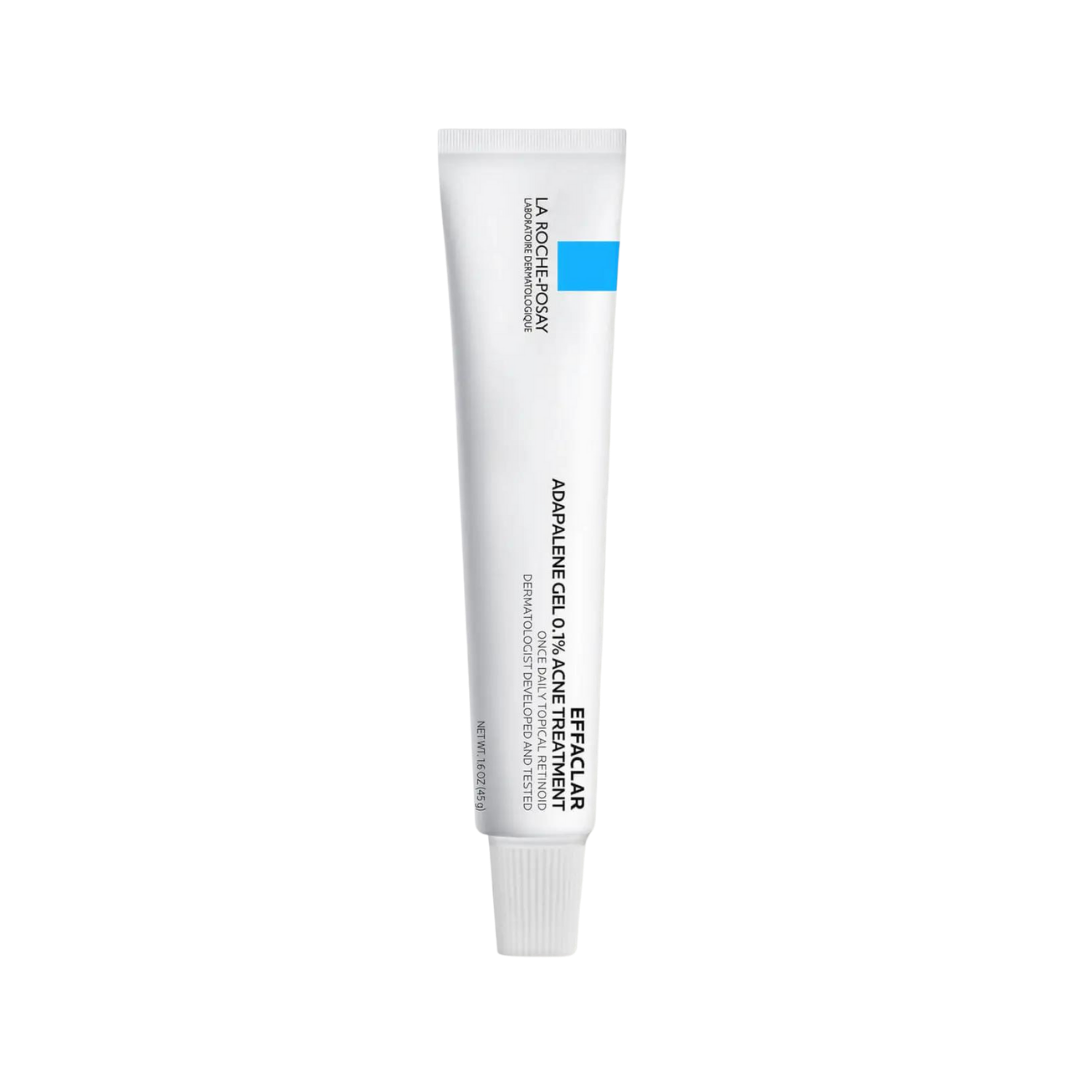

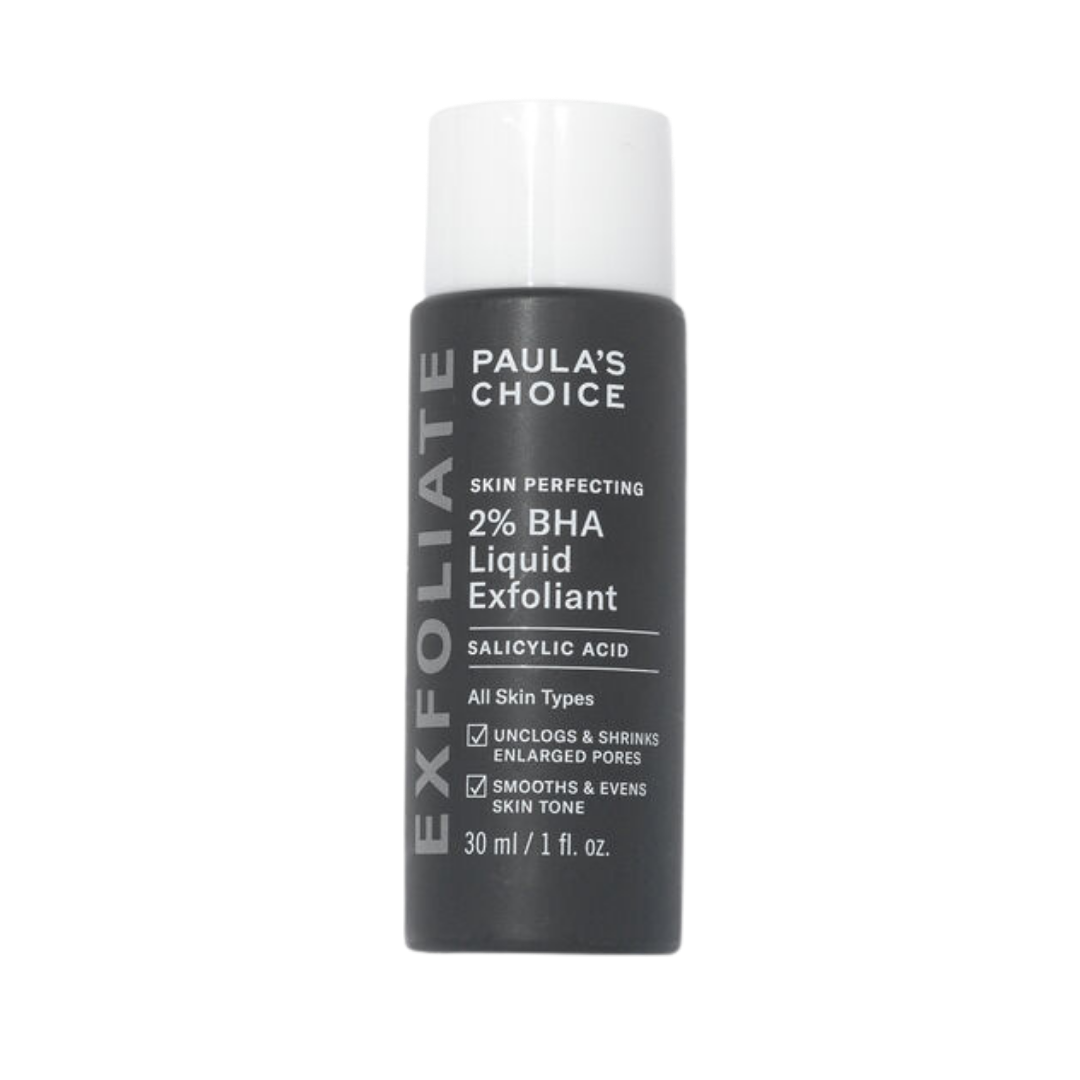


FAQs
-
Acne on the face is primarily caused by the clogging of hair follicles with oil and dead skin cells. Other factors contributing to facial acne include hormonal changes, certain medications, diet, and stress. Genetics also play a significant role in one's susceptibility to acne.
-
Quick fixes for acne include over-the-counter treatments like benzoyl peroxide, salicylic acid, and topical retinoids. These can help reduce inflammation and clear clogged pores. However, it's important to note that acne treatment often requires time and consistency, and what works quickly for one person may not be as effective for another.
-
No, acne is not a sign of poor hygiene. It is caused by factors like hormonal changes, genetics, and the overproduction of oil, not by dirt or unclean skin. Over-washing the face can actually irritate the skin and worsen acne.
-
Diet can influence acne, but it's not a one-size-fits-all approach. Foods high in sugar and dairy products may exacerbate acne for some people. A balanced diet rich in whole foods, fruits, vegetables, and lean proteins can contribute to overall skin health.
-
Stress doesn't directly cause acne, but it can exacerbate it. Stress can trigger the production of hormones that increase oil production in the skin, leading to more acne breakouts.
-
Adult acne can be caused by hormonal changes, such as those occurring during pregnancy, menstruation, or due to certain medications. Lifestyle factors and stress also contribute to adult acne. It's not uncommon for people who didn't have acne as teenagers to develop it later in life.
-
Some natural remedies, like tea tree oil and green tea extract, have been found to be moderately effective in treating mild acne. However, for more severe cases, over-the-counter or prescription treatments are usually more effective.
-
Makeup can contribute to acne if it clogs the pores or if you're allergic to some ingredients. Using non-comedogenic, oil-free makeup and ensuring thorough makeup removal can help prevent acne breakouts.
-
Pimples are a symptom of acne. Acne is a broader condition that can manifest as pimples, blackheads, whiteheads, cysts, or nodules.
-
The time it takes for acne treatments to work can vary. Over-the-counter topical treatments may show results within 4-6 weeks, while prescription medications can take up to three months. It's important to give treatments enough time to work and to follow the guidance of a healthcare professional.