

Hyperpigmentation 101

HYPERPIGMENTATION
Noticing dark spots on your skin or changes in skin tone can be a source of concern and curiosity. You are not alone in this experience. Hyperpigmentation is a common issue faced by many, and it's natural to feel puzzled or even anxious about these changes.
What is Hyperpigmentation?
Hyperpigmentation is a condition where patches of skin become darker, creating an uneven skin tone. This is due to an overproduction of melanin, the pigment responsible for your skin's colour. Various factors, including extensive sun exposure, hormonal changes (such as those during pregnancy or from contraceptive use), certain medications, and skin injuries, can trigger this overproduction. Though often viewed as a cosmetic issue, hyperpigmentation can occasionally signal more serious health concerns.
How does Hyperpigmentation work?
Your skin, a complex and multi-layered organ, includes the epidermis at the surface, which contains cells known as melanocytes. These cells produce melanin, and they can become overactive for various reasons, such as UV radiation, leading to increased melanin production and darker skin patches. Genetics, hormonal influences, and environmental factors like exposure to certain chemicals also play a role in melanin production and distribution.
Types of Hyperpigmentation
Hyperpigmentation appears in several forms:
Melasma
Typically seen as brown or grey-brown patches on the face, more common in women and often linked to hormonal changes.
Post-Inflammatory Hyperpigmentation (PIH)
Darkened spots that appear after skin injury or inflammation.
Sunspots (Solar Lentigines)
Age-related spots resulting from long-term sun exposure, particularly in older adults.
Each type responds differently to treatments, which may include topical agents like hydroquinone and azelaic acid, chemical peels, or laser treatments.
How is hyperpigmentation diagnosed?
The diagnosis of hyperpigmentation involves an in-depth skin examination and review of your medical history. Dermatologists often utilise tools such as dermatoscopes for a detailed examination. Understanding the specific type of hyperpigmentation is crucial for effective treatment.
Treatment Options
Topical Treatments
These may include agents like hydroquinone, which reduces melanin production, and retinoids that promote skin cell turnover.
Laser Treatments
Target melanin-rich areas to break down excess pigment, particularly effective for stubborn hyperpigmentation.
Chemical Peels
Aimed at removing the top layer of skin, thereby reducing the visibility of dark spots.
Prevention Strategies
Dealing with hyperpigmentation can be difficult, so we have put together this quick no-fluff guide and broken down the ingredients your skin needs.
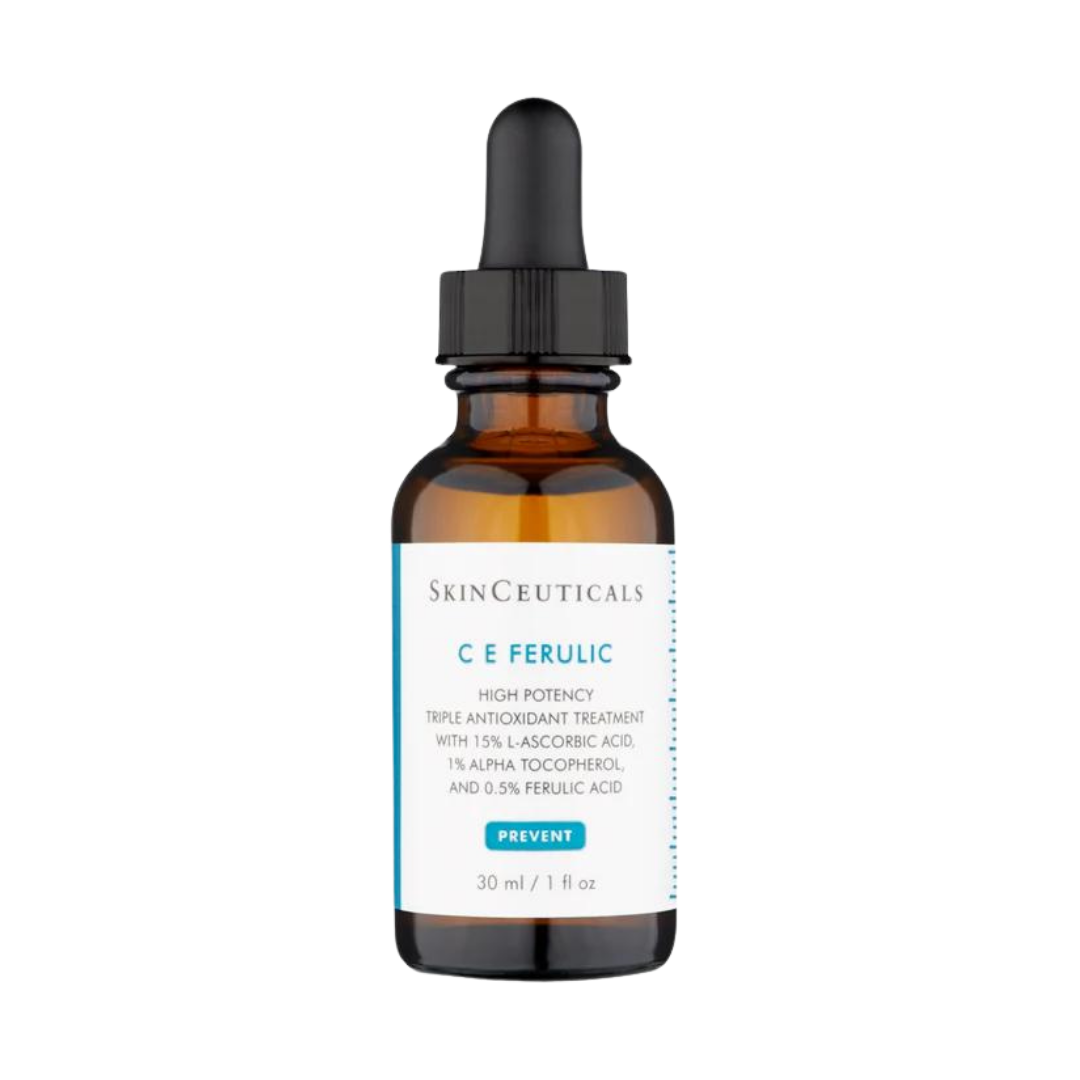
Product Recommendations




FAQs
-
Hyperpigmentation on the face can be caused by several factors, including sun exposure, hormonal changes (such as those experienced during pregnancy or through birth control), acne scarring, and certain medications. Melasma, a common type of hyperpigmentation, is specifically known for appearing on the face.
-
Hyperpigmentation can be treated with various methods, including topical creams containing ingredients like hydroquinone, retinoids, and vitamin C, as well as professional treatments like chemical peels, laser therapy, and microdermabrasion. It's important to consult a dermatologist to choose the most appropriate treatment.
-
While some forms of hyperpigmentation, such as those caused by deep skin trauma, can be long-lasting, many types are treatable. The permanence largely depends on the cause and the depth of the pigmentation in the skin. Early and consistent treatment can improve the chances of reducing its appearance.
-
Hyperpigmentation itself is not typically a sign of skin cancer. However, any new or changing skin spots should be evaluated by a dermatologist to rule out skin cancer, especially if they're irregular in shape, color, or size.
-
Yes, sun exposure can significantly worsen hyperpigmentation by stimulating melanocytes to produce more melanin. Protecting the skin from the sun using broad-spectrum sunscreens and wearing protective clothing is crucial in managing and preventing hyperpigmentation.
-
Hormonal imbalances, such as those caused by pregnancy, birth control pills, or endocrine disorders, can trigger melasma, a type of hyperpigmentation. These hormonal changes can increase melanin production, leading to darkened skin patches.
-
Effective skincare ingredients for hyperpigmentation include hydroquinone, which lightens dark spots, retinoids that promote skin cell turnover, vitamin C for its brightening properties, and azelaic acid, which can reduce melanin production.
-
While stress itself is not a direct cause of hyperpigmentation, it can exacerbate existing skin conditions and impact overall skin health, potentially influencing the appearance of hyperpigmentation.
-
Some home remedies may offer mild improvement in hyperpigmentation. Natural ingredients like aloe vera, lemon juice, and turmeric are popular in home treatments. However, for more significant hyperpigmentation, professional dermatological treatments are recommended.

Dark spots or discoloration?
This hyperpigmentation-safe serum visibly reduces stubborn discoloration, post-blemish marks, scars, and spots—for all ethnicities and skin shades. Gentle enough for daily use, it produces visible results in as little as two weeks.
Faded has a sulfur-like smell.