

Rosacea 101

WHAT IS ROSACEA?
Living with skin redness or rosacea can often be a source of discomfort and self-consciousness. If you're grappling with persistent redness or seeking ways to manage rosacea, this guide is here to help.
Redness vs Rosacea
Skin redness can be a transient reaction to factors like temperature changes or physical exertion, but persistent redness might indicate rosacea. Rosacea is a chronic skin condition characterised by facial redness, visible blood vessels, and sometimes acne-like bumps. Contrary to the belief that it's merely cosmetic, rosacea is a medical condition that can worsen if left untreated.
Types of Rosacea
Rosacea is a multifaceted skin condition that extends far beyond simple facial redness. It's characterised by several subtypes, each with distinct symptoms and implications for skin health:
Erythematotelangiectatic Rosacea
This subtype is marked by persistent facial redness (erythema) and often visible blood vessels (telangiectasia). Sufferers might also experience flushing or blushing easily. The skin may feel incredibly sensitive, often reacting to skincare products or environmental factors.
Papulopustular Rosacea
Often resembling acne, this form of rosacea presents as red, inflamed bumps (papules) and pus-filled spots (pustules). It's typically concentrated in the central part of the face and can be mistaken for acne, but lacks the typical blackheads (comedones).
Phymatous Rosacea
This less common but more severe subtype involves the thickening of the skin, leading to a bumpy texture. The most well-known form is rhinophyma, where the nose becomes bulbous and enlarged. This condition is more prevalent in men and can be quite disfiguring.
Ocular Rosacea
As the name suggests, ocular rosacea affects the eyes. Symptoms can include dry, irritated, and watery eyes, a feeling of grittiness in the eyes, and swollen eyelids. In some cases, it can affect vision and, if not treated, lead to serious eye complications.
Understanding these subtypes is crucial in recognising the full spectrum of rosacea and its impact on those who suffer from it. Each subtype may require a different approach in terms of treatment and management, highlighting the importance of a personalised care plan.
Diagnosing and Managing Rosacea
Rosacea is diagnosed based on appearance and symptoms. Treatment is personalised and may include:
Topical Medications
Reduce redness and the number of acne-like lesions.
Oral Antibiotics
Effective in reducing inflammation and breakout severity.
Laser and Light Therapy
Used to lessen redness and visible blood vessels.
Lifestyle Modifications
Involves identifying and avoiding individual triggers, such as certain foods, beverages, and environmental factors.
Proactive skin care is essential for living with rosacea
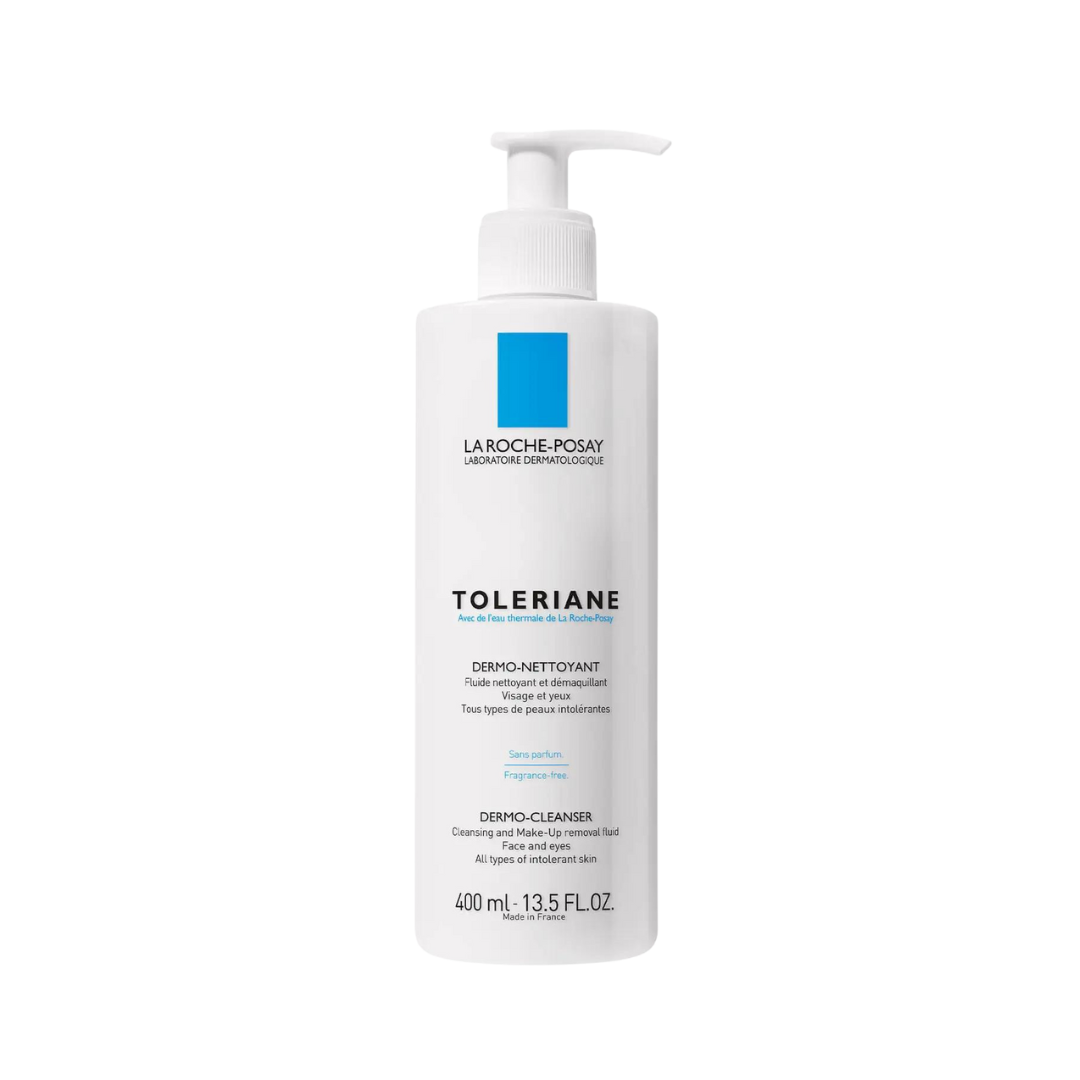
Opt for gentle, fragrance-free skin care products.
Consistently apply a broad-spectrum sunscreen.
Be aware of triggers like hot drinks, spicy foods, and stress.
Use makeup to conceal redness if preferred, avoiding oil-based products.
Prevention Strategies
Dealing with rosacea can be difficult, so we have put together this quick no-fluff guide and broken down the ingredients your skin needs.
Recommended Products



FAQs
-
Facial redness and rosacea can be attributed to various factors, including genetic predisposition, environmental triggers, vascular irregularities, and inflammatory processes. Common triggers include sun exposure, extreme temperatures, spicy foods, alcohol, and stress.
-
To naturally reduce facial redness:
Apply green tea or aloe vera, both known for their soothing properties.
Use gentle skincare products and steer clear of harsh exfoliants or irritants.
Manage stress through relaxation techniques like yoga or meditation.
Protect your skin from extreme weather and sun exposure.
-
While rosacea can appear similar to acne, particularly in its papulopustular subtype, it is a distinct condition. Rosacea does not involve the same type of clogged pores as common acne and requires different treatment strategies.
-
With rosacea, it's advisable to avoid skincare products containing alcohol, menthol, witch hazel, eucalyptus oil, peppermint, and fragrances. Also, use caution with exfoliants and astringents, as they can exacerbate the condition.
-
Yes, diet can influence rosacea. Spicy foods, hot drinks, and alcohol are known triggers for many individuals. Keeping a food diary to identify and avoid personal triggers is recommended.
-
There is no cure for rosacea at present, but its symptoms can be effectively managed and controlled with appropriate treatment and lifestyle modifications. Early diagnosis and intervention can markedly improve life quality for those with rosacea.
-
Untreated rosacea can worsen over time. It typically progresses from intermittent flushing to persistent redness and may eventually cause blood vessels and pimples to appear on the skin.
-
Rosacea is predominantly diagnosed based on its characteristic appearance and symptoms. Dermatologists will assess the skin and may inquire about triggers or family history. Sometimes, tests are conducted to rule out other skin conditions.
-
Medical treatments for rosacea include topical creams and gels, oral antibiotics, and laser or light therapy. These aim to control symptoms and prevent progression. Dermatologists can recommend the most suitable treatment based on the rosacea subtype and severity.
-
Lifestyle adjustments play a crucial role in managing rosacea. These include avoiding known triggers, using sun protection, adopting a gentle skincare routine, and managing stress. Tailoring lifestyle choices to individual triggers and symptoms is key.

Target multiple skin concerns at once
The Azelaic Acid Booster is a real multi-tasker. The powerful combination of azelaic acid, salicylic acid and plant extracts has multiple benefits for the skin. This booster visibly fades brown spots caused by sun damage, works to reduce breakouts and diminish red marks from past blemishes. Plant derived brightening and soothing ingredients reveal a more radiant, even complexion. A perfect alternative for those sensitive to benzoyl peroxide.