

Dry Skin 101

DRY SKIN
If you find yourself constantly battling dry, tight, or flaky skin, you're not alone. Dry skin, a common concern affecting many, can be more than just a minor nuisance; it can significantly impact your daily life and self-confidence.
What is Dry Skin?
Dry skin, medically known as xerosis, is characterised by a lack of adequate moisture in the most superficial layer of the skin. Contrary to popular belief, dry skin isn't always about how much water you drink. It's often a result of external factors, such as the environment, or internal factors, including genetics and the natural ageing process.
The Science Behind Dry Skin
The skin's health and appearance are significantly influenced by its ability to maintain moisture. Here's a closer look:
Skin's Moisture Barrier
This is the outermost layer of the skin, playing a crucial role in retaining moisture and protecting against irritants. A compromised barrier leads to increased moisture loss and vulnerability to irritants.
Natural Moisturising Factors (NMFs)
These are compounds within the skin that help maintain hydration. When NMFs are depleted, the skin loses its ability to hold water effectively.
Sebum Production
Sebum, the skin's natural oil, aids in keeping the skin moisturised. Low sebum production can lead to drier skin.
Environmental Factors
Cold weather, low humidity, and exposure to harsh cleansers or hot water can strip the skin of its natural oils, exacerbating dryness.
Ageing and Hormonal Changes
As we age, the skin's natural oil production decreases, often leading to increased dryness. Hormonal changes, particularly in women during menopause, can also affect the skin's moisture levels.
Diagnosis and Treatment of Dry Skin
Dry skin is typically diagnosed based on visible symptoms and a patient's medical history. Treatment usually focuses on restoring and maintaining skin hydration:
Moisturisers
These are essential in replenishing and locking in skin moisture. Ingredients like hyaluronic acid, glycerin, and ceramides are particularly beneficial.
Specialist Treatments
In severe cases, a dermatologist may prescribe medicated creams or suggest treatments to repair the skin's barrier function.
Preventing Dry Skin
Proactively managing dry skin involves several key steps:
Moisturise immediately after bathing to seal in moisture.
Use a humidifier in dry environments to maintain indoor humidity.
Protect your skin with appropriate clothing during extreme weather conditions.
Prevention Strategies
Dealing with dry skin can be difficult, so we have put together this quick no-fluff guide and broken down the ingredients your skin needs.
Recommended Products


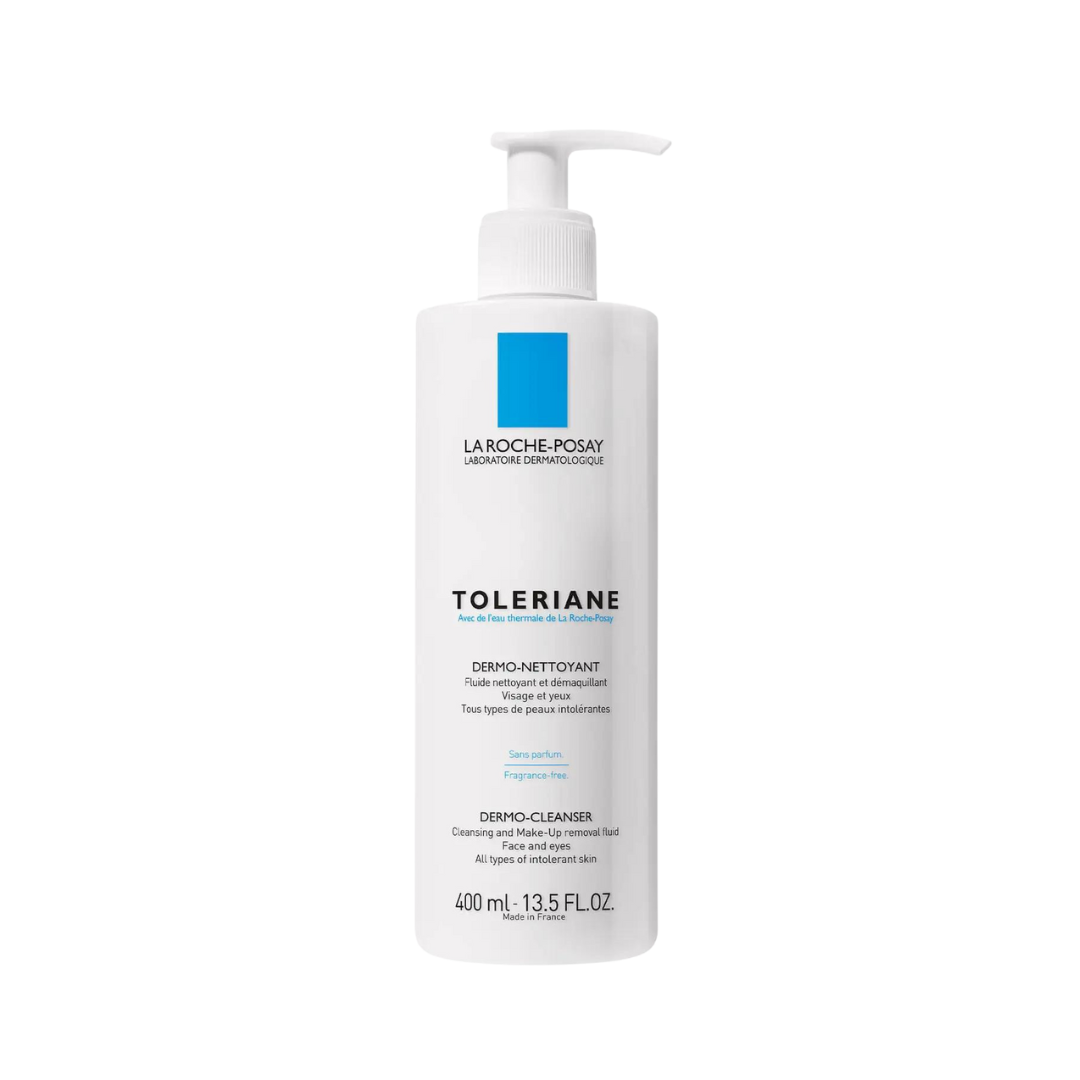

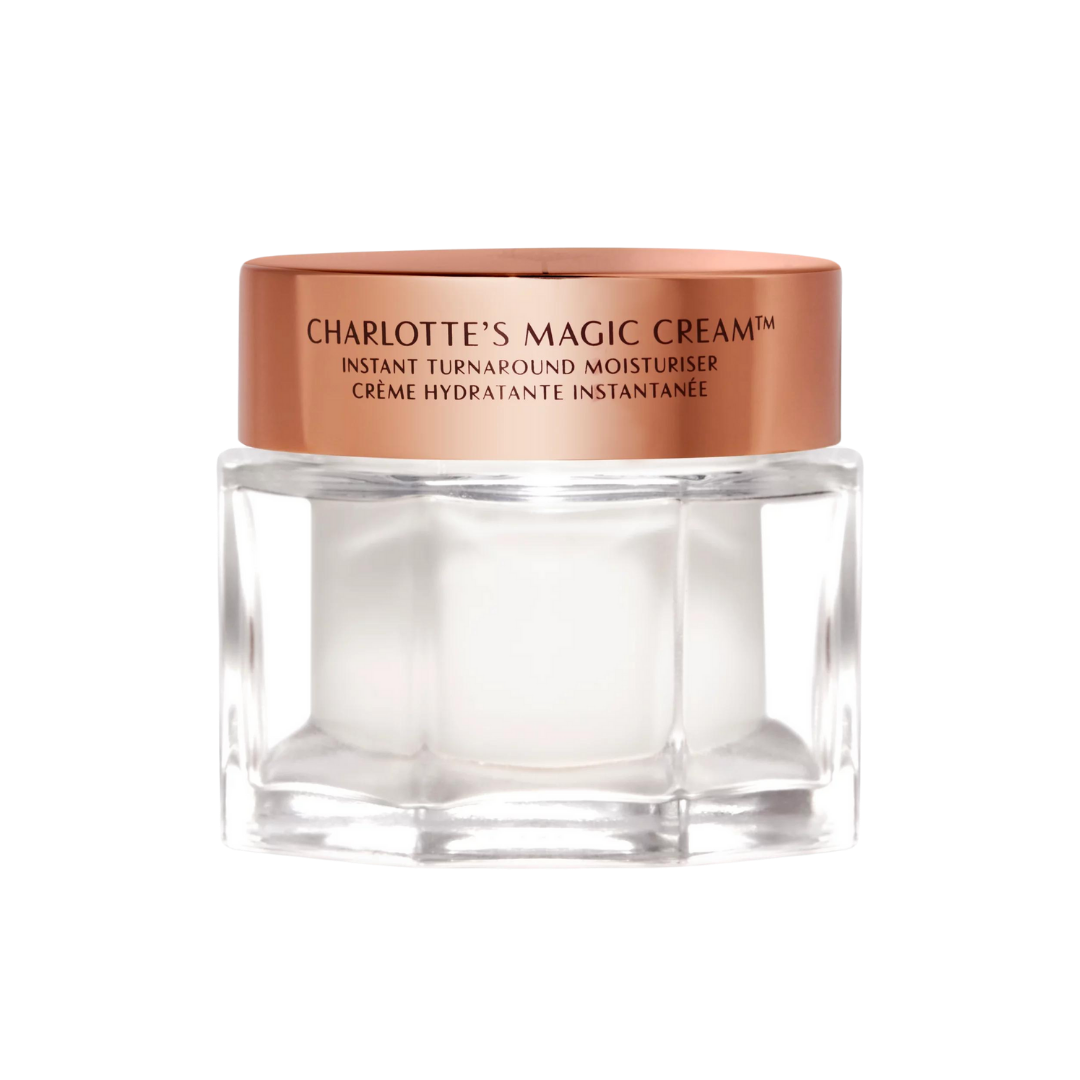


FAQs
-
Dry skin on the face and body is often caused by a mix of environmental factors, such as cold, dry weather and low humidity. Additional causes include frequent bathing, using harsh soaps, the ageing process, and certain medical conditions. Genetics also play a role in skin type.
-
To treat extremely dry skin:
Apply rich moisturisers immediately after bathing to seal in moisture.
Avoid hot showers and strong soaps.
Use a humidifier in dry environments.
Drink ample water for internal hydration.
In severe cases, over-the-counter or prescription creams may be required.
-
Yes, natural oils like coconut oil, jojoba oil, and almond oil can be effective for dry skin. They provide moisture and can be natural alternatives to commercial moisturisers. It's important to test them first, as some people might find certain oils irritating.
-
A diet rich in omega-3 fatty acids (found in fish, walnuts, and flaxseeds) can improve skin hydration. Antioxidant-rich foods, such as fruits and vegetables, support skin health. Adequate water consumption is also essential.
-
While dry skin is usually benign, it can sometimes signal underlying health conditions like eczema, psoriasis, or hypothyroidism. Persistent dry skin, especially if accompanied by other symptoms, should be evaluated by a healthcare professional.
-
People with dry skin should exfoliate cautiously. Excessive exfoliation can remove natural oils and exacerbate dryness. Generally, gentle exfoliation once a week is adequate.
-
Drinking more water is beneficial for overall health, but it does not significantly impact dry skin. External moisturising and protecting the skin barrier are more effective for dry skin treatment.
-
Ingredients such as hyaluronic acid, glycerin, ceramides, and natural oils are beneficial. These help hydrate the skin and repair its barrier.
-
Yes, dry skin can be more prevalent as you age. The skin naturally produces less oil as it gets older, leading to increased dryness and a need for more intensive moisturisation.
-
Indeed, using a humidifier, particularly in dry or cold climates, adds moisture to the air, helping to prevent and treat dry skin.

This luxurious, nourishing oil-to-milk cleanser easily melts away makeup, SPF and other impurities leaving skin feeling ultra-hydrated without clogging pores or leaving an oily residue all while supporting skin barrier function.
Featuring our unique Barrier Lipid Complex, moringa seed oil, olive fruit oil and squalane to soothe and intensely hydrate for bright, bouncy, balanced skin post-cleanse. The luxurious, milky formula glides over skin and rinses off effortlessly, without clogging pores or leaving an oily residue.
Dermatologist tested and approved, non-comedogenic, alcohol and fragrance-free, vegan and cruelty free.